
Modern life often leaves little room to slow down. Long working hours, prolonged sitting, physical fatigue, irregular routines and everyday stress can gradually leave the body feeling tense and the mind restless. Ayurveda offers traditional wellness practices that encourage us to pause, reconnect with the body and make relaxation part of our routine.
One of the best-known of these practices is Abhyanga Ayurvedic Massage—a traditional full-body oil massage performed using warm oils and rhythmic massage techniques.
For generations, Abhyanga has held an important place in Ayurvedic wellness traditions. Rather than being simply a spa massage, it is traditionally approached as a nurturing therapy intended to support relaxation, comfort and overall physical and mental well-being.
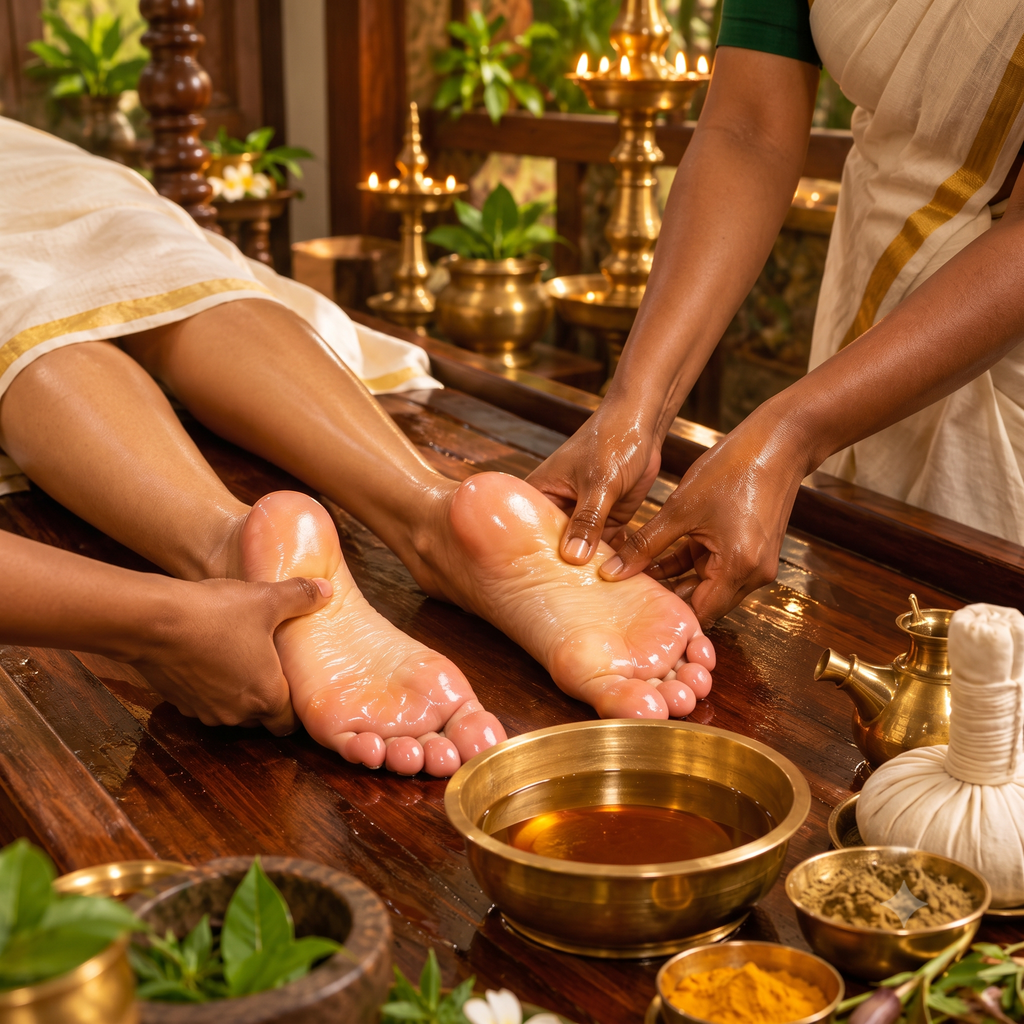
What Is Abhyanga Ayurvedic Massage?
Abhyanga is a form of traditional Ayurvedic massage in which warm oil is gently applied and massaged over the body.
The word Abhyanga is commonly associated with the Ayurvedic practice of oil massage. Depending on the individual and the practitioner’s assessment, different oils, herbal preparations and massage approaches may be selected.
A typical Abhyanga treatment focuses on smooth, rhythmic movements across the body. The warmth of the oil, combined with gentle massage, creates a deeply comforting experience that can help the body relax and unwind.
Unlike a one-size-fits-all massage routine, Ayurveda traditionally emphasizes an individualized approach.
What Happens During an Abhyanga Treatment?
An Abhyanga session generally begins with a brief consultation or assessment. The Ayurvedic practitioner may consider factors such as your body constitution, current condition, lifestyle and individual wellness needs.
Warm Herbal Oils
Warm oil is one of the defining features of Ayurvedic oil massage. Depending on the treatment approach, plain traditional oils or herbal oil preparations may be used.
The oil is warmed to a comfortable temperature before being applied to the body. The warmth itself can create a soothing sensation and help make the massage experience more relaxing.
Rhythmic Massage Techniques
The practitioner generally uses smooth, flowing and rhythmic massage movements. Different areas of the body may receive different types of strokes according to traditional practice and individual requirements.
The pressure should be comfortable and may be adjusted depending on the person’s needs and sensitivity.
A Calm Treatment Environment
Abhyanga is usually performed in a quiet and comfortable setting that allows the person to relax. Treatment duration and technique can vary between wellness centres and according to the practitioner’s recommendations.
After the massage, you may be advised to rest briefly before washing or bathing, depending on the type of oil and treatment used.
Key Abhyanga Benefits
The experience of Abhyanga can vary from person to person. However, the traditional practice is widely valued as part of a wellness and self-care routine.
1. Encourages Relaxation and Stress Relief
One of the most appreciated Abhyanga benefits is its relaxing nature. Warm oil, gentle touch and rhythmic movements can provide an opportunity to slow down and step away from the mental stimulation of everyday life.
2. Supports Better Rest and Sleep
A calming massage routine may help the body settle into a more relaxed state. For people whose busy schedules make it difficult to unwind at the end of the day, Abhyanga can be incorporated into a broader relaxation and sleep-supportive routine.
3. Helps Ease Muscle Stiffness and Body Tension
Long hours at a desk, frequent travel, physical work and exercise can leave the body feeling tight or tired. Massage may help ease everyday muscle tension and stiffness while providing a sense of physical comfort.
4. Supports Healthy Circulation
Massage techniques naturally involve movement and gentle pressure across the body’s tissues. This physical stimulation can support local circulation as part of the overall massage experience
5. Nourishes and Moisturizes the Skin
The generous use of oil is one of the features that distinguishes Abhyanga from many other massage techniques. Oils help moisturize the skin, leaving it feeling softer and nourished.
6. Promotes Physical and Mental Well-Being
Taking intentional time for rest and body care can be valuable in itself. Abhyanga combines touch, warmth and a calm environment to create a holistic experience that can support a general sense of well-being.
7. Supports Relaxation After Physical Fatigue
After demanding days or periods of physical activity, a gentle Ayurvedic massage therapy session can provide dedicated time for rest and relaxation.
Abhyanga for the Modern Lifestyle
Our lifestyles may have changed dramatically, but the need for rest has not.
Many people now spend hours sitting in front of computers, looking at screens or moving between busy work and personal schedules. Others have physically demanding routines that leave little time for recovery.
This combination can contribute to everyday tiredness, body tension and difficulty switching off mentally.
An Abhyanga Ayurvedic Massage offers something increasingly valuable: dedicated time to slow down.
For someone with a sedentary lifestyle, the massage experience can provide gentle physical stimulation and a break from prolonged inactivity. For someone experiencing physical fatigue, it can create a comfortable environment for rest. And for those dealing with a demanding routine, it can become part of a regular self-care ritual.
Abhyanga should not replace appropriate medical care, exercise, sleep or healthy lifestyle habits. Instead, it can complement a balanced wellness routine.